Calmer Drivers for Safer Roads
Turning Road Rage Into Road Awareness
Drive Calm. Arrive Safe.
Stay Calm When Traffic Doesn’t
I started RoadRageNZ.com to talk honestly about road rage, stress, and the way everyday driving can bring out the worst in people. My goal is to help drivers recognize aggressive habits, understand what triggers anger behind the wheel, and learn safer ways to respond. I believe calmer driving can prevent dangerous situations, protect families, and make roads better for everyone. This site shares practical tips, real-world advice, and simple reminders to help drivers stay in control before frustration takes over.
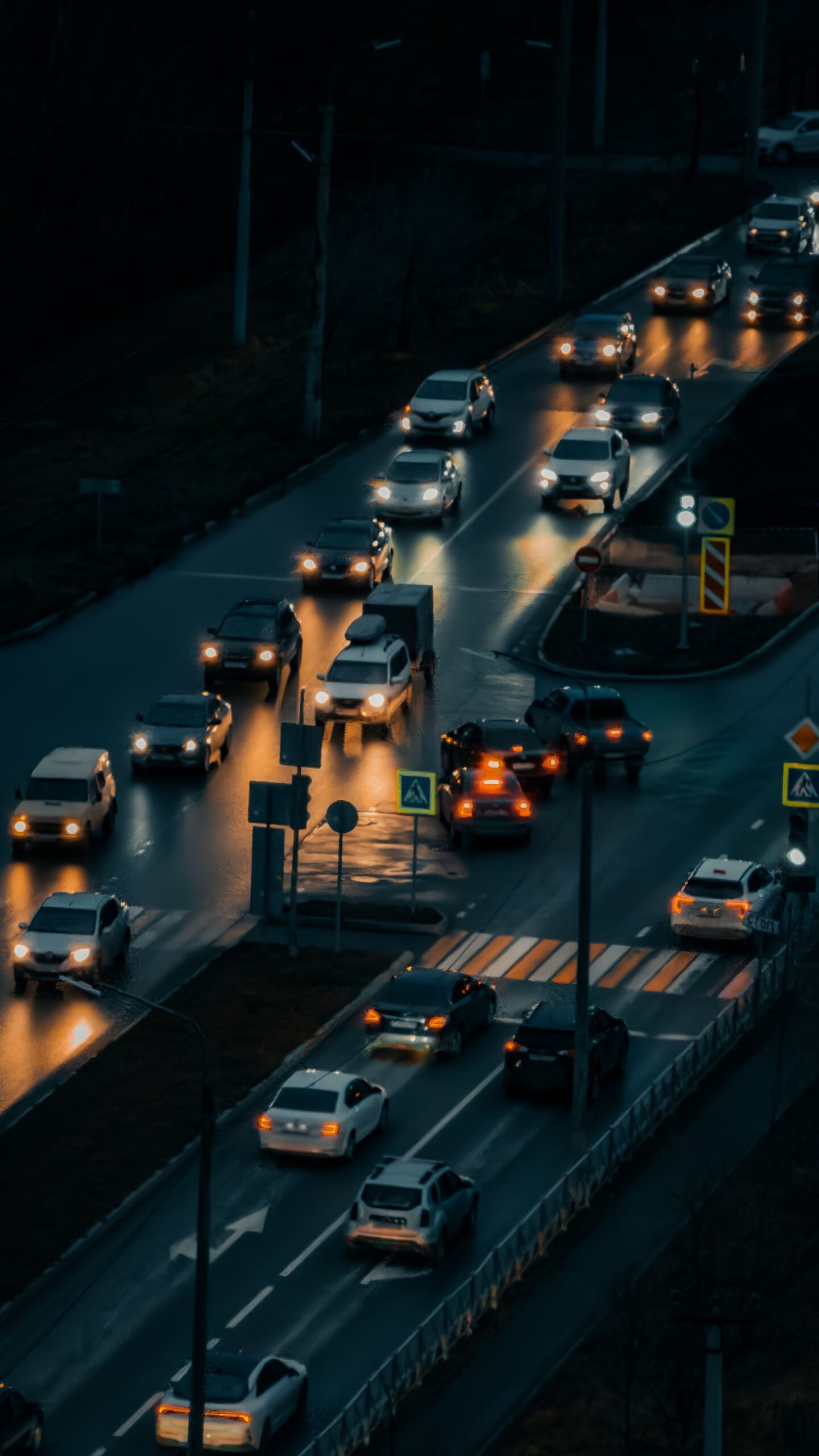
No Argument Is Worth a Crash
Awareness Before Aggression
Road rage can escalate quickly. A horn, gesture, tailgate, or angry reaction can turn a small moment into a serious danger. Staying calm is not about letting bad drivers “win.” It is about getting home safely, which is somehow still underrated by people who think merging is a personal attack.
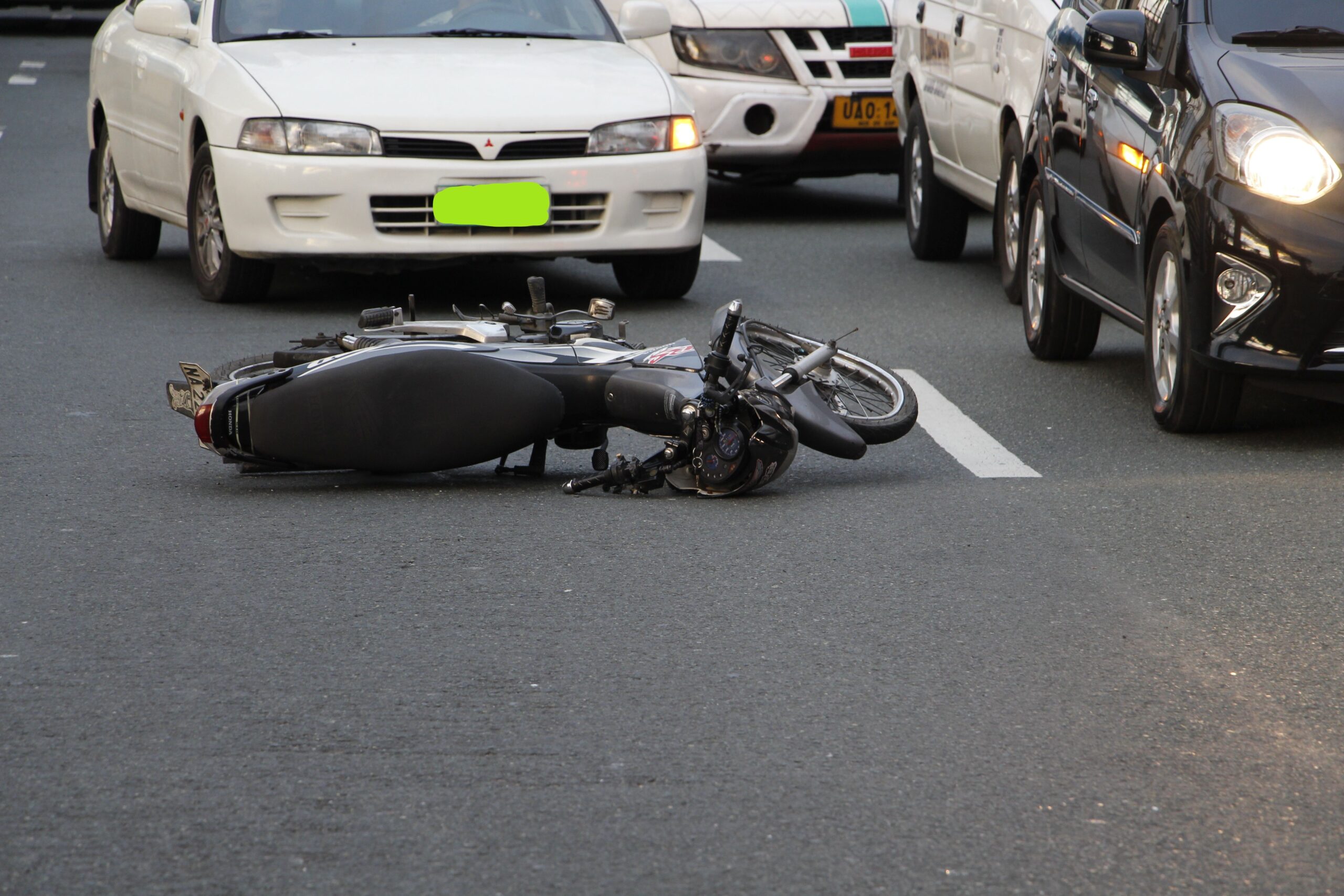
The Road Rage Awareness Blog
Because Honking Doesn’t
Fix Traffic
- The Most Annoying Things Drivers Do in Traffic
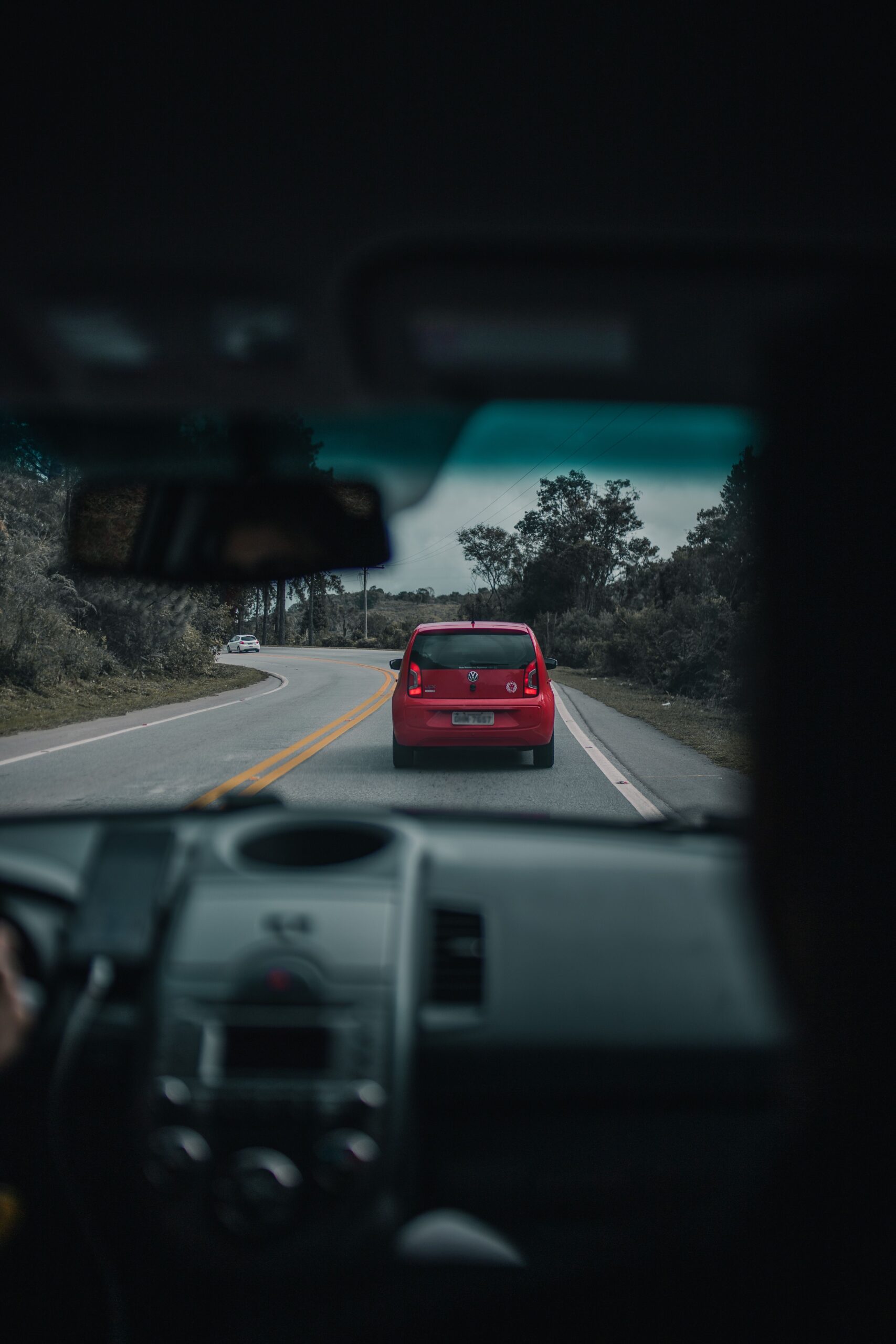
I try to be patient in traffic, but some drivers make that feel like an extreme sport. Traffic is already slow, crowded, loud, and irritating. Nobody needs extra drama from someone who treats the road like a personal experiment in bad decisions. The worst part is that many annoying driving habits are dangerous. They can turn a normal commute into a mess.
One of the most annoying things drivers do is tailgate. I have never understood the logic behind it. Sitting inches behind another car does not make traffic move faster. It does not open a secret lane. It does not magically convince every vehicle ahead to disappear. It only makes everyone tense and gives the tailgater no time to react if traffic stops suddenly. It is aggressive, pointless, and still popular, because apparently patience was discontinued.
Another habit that drives me crazy is constant lane switching. Some drivers act like traffic is a puzzle they can beat if they just change lanes every ten seconds. They cut left, jump right, squeeze between cars, and usually end up right beside everyone else at the next red light. All that movement creates confusion and increases crash risk. I would rather arrive two minutes later than spend the whole drive dodging someone who thinks they are in a racing game.
Then there are drivers who refuse to use turn signals. A signal is one of the easiest ways to communicate on the road, yet some people guard it like a national secret. When a driver suddenly brakes, turns, or changes lanes without warning, everyone else has to guess what is happening. Guessing is not a traffic strategy. I use my signal because I want other drivers to know what I am doing before I do it.
Another annoying traffic habit is blocking intersections. When the light turns green, some drivers pull forward even though there is nowhere to go. Then the light changes, cross traffic gets stuck, and one selfish decision creates a new traffic jam. I understand wanting to move forward, but if the space is not there, forcing the car into the middle helps no one. It proves the driver can create problems in multiple directions.
Distracted driving is another one that bothers me. I see drivers looking down at phones, drifting in lanes, missing green lights, and braking late because they are busy with a screen. Traffic requires attention, even when it is moving slowly. A phone can wait. A text can wait. The road cannot wait for someone to finish their digital side quest.
I also get annoyed by drivers who speed up just to block someone from merging. Merging is not a personal attack. If someone is trying to enter a lane safely, making space is smarter. Blocking them out only creates more braking, more stress, and more risk. It is amazing how quickly some drivers treat one car length like a family inheritance.
Honking for no real reason is another classic traffic irritation. A short honk can warn someone of danger, and that is useful. But leaning on the horn because traffic is slow does absolutely nothing. It does not make the cars move. It does not change the light. It does not repair civilization. It only adds noise to an annoying situation.
I also dislike when drivers creep too far into crosswalks or ignore pedestrians. Traffic is not about cars. People walking need space and time, too. Rolling into a crosswalk because a driver is impatient sends a clear message that getting ahead a few feet matters more than safety. That is bad judgment wearing sunglasses.
The most annoying traffic habits usually come from impatience. People want to move faster, feel in control, and avoid being delayed. I understand that feeling. I have felt it plenty of times. But frustration does not excuse careless driving.
When I am stuck in traffic, I try to remind myself that everyone is trying to get somewhere. Some drivers are annoying, some are careless, and some are just having a bad day. The best thing I can do is keep my distance, stay aware, and not let their bad habits become mine. Traffic is frustrating enough without turning into the problem.
- How to Build Better Driving Habits
I believe better driving habits are built before the car moves. People think safe driving is about knowing the rules, but habits are what show up when traffic gets messy, someone cuts across a lane, or the light turns yellow. Rules matter, but habits keep a person calm when other drivers seem determined to audition for disaster.
The first habit I focus on is slowing my mind down before driving. If I get into the car angry, rushed, distracted, or irritated, I am more likely to react badly. That does not mean I sit there meditating like a traffic monk, because let us remain attached to reality. It just means I breathe, check where I am going, put my phone away, and remind myself that arriving safely matters more than shaving minutes off.
Another habit that makes a big difference is leaving earlier. It sounds simple, but being late is one of the easiest ways to become a worse driver. When I am rushing, every slow car feels like an enemy. Every red light feels personal. Leaving ten minutes earlier can remove that pressure. The road feels less stressful when I am not trying to beat time.
I think good drivers build the habit of creating space. Following too closely is dangerous and pointless. Tailgating does not make the car in front move faster. It reduces reaction time and turns a small mistake into a possible crash. I keep enough distance so I can react calmly instead of slamming the brakes and blaming physics.
Using signals is another simple habit that matters more than people admit. A turn signal is not a decoration. It tells other drivers what I plan to do before I do it. That warning helps traffic move smoother and keeps people from guessing. I try to signal early, change lanes gradually, and avoid sudden moves. Predictable driving may not be exciting, but exciting driving is unsafe driving with better marketing.
One of the biggest habits I try to build is not taking bad driving personally. People make mistakes. They miss signs, drift in lanes, cut it too close, or hesitate when they should go. Some drivers are careless, sure, but most are distracted, confused, tired, or inexperienced. When I treat every mistake like an insult, I give strangers too much control over my mood.
Better driving means managing distractions. I set my music, navigation, and temperature before pulling away. I do not want to poke at a screen while moving, because driving already gives the brain enough to handle. Cars, lights, cyclists, pedestrians, weather, and road signs are plenty. Adding phone chaos on top of that is asking the universe for paperwork.
Another helpful habit is checking mirrors often. Not obsessively, but regularly enough to know what is around me. Good awareness makes driving feel less reactive. I can see a fast driver coming up behind me, notice a car in my blind spot, or prepare for traffic slowing ahead. The more I know, the less surprised I am, and surprise is where bad decisions begin.
I try to build patience at intersections and parking lots. These places seem designed to test human civilization. People reverse without looking, pedestrians appear from nowhere, and someone always needs twelve attempts to park. Getting angry does not make any of it faster.
The truth is, better driving habits are not built in one perfect day. They come from small choices repeated over and over. Leave earlier. Signal sooner. Follow less closely. Put the phone away. Breathe before reacting. Let small mistakes go.
For me, the goal is simple: stay calm, stay aware, and get where I am going without becoming part of the problem. Better driving is not about being perfect. It is about being responsible enough to keep improving, one trip at a time.
- Why Do People Get So Angry While Driving?

I have always found it interesting how normal, reasonable people can get behind the wheel and suddenly act like every lane change is a personal insult. Driving has a strange way of bringing anger to the surface. Someone cuts us off, drives too slowly, forgets to signal, or rides too close behind us, and suddenly the car feels less like transportation and more like a tiny courtroom where we are the judge, jury, and horn operator.
One reason people get so angry while driving is that they feel blocked. Most drivers are trying to get somewhere: work, home, school, an appointment, or just anywhere that is not the current traffic jam. When another driver slows that down, it can feel like they are taking control away from us. Even if the delay is only a few seconds, frustration can build fast. The human brain is not always famous for being reasonable, which is shocking, I know.
Another reason is stress. A lot of people are already carrying problems before they start the car. They may be tired, late, worried about money, upset from work, or dealing with family pressure. Then traffic adds one more problem on top of everything else. The road does not create all the anger by itself. Sometimes it simply gives existing stress a place to explode.
Driving also creates a sense of distance from other people. Inside a vehicle, it is easy to forget there is another real person in the next car. We see the mistake, not the person. We see the bad merge, not the tired parent, nervous new driver, confused visitor, or distracted person who made a poor choice. That separation makes it easier to judge, yell, honk, or react aggressively.
Another big factor is ego. Many drivers do not just get upset because someone made a mistake. They get upset because they feel disrespected. Getting cut off can feel like being challenged. Being tailgated can feel like being bullied. Someone passing too closely can feel like an attack. Once pride gets involved, the situation can go from annoying to dangerous very quickly.
The problem is that anger behind the wheel rarely improves anything. Honking, yelling, tailgating, speeding up, or trying to “teach someone a lesson” usually makes the road less safe. It also gives the other driver more power over our mood than they deserve. I try to remind myself that getting home safely matters more than proving a point to someone I will probably never see again.
People also get angry because driving requires constant attention. There are signs, lights, pedestrians, speed changes, turns, lanes, weather, and unpredictable drivers everywhere. That mental load can wear people down, especially during long drives or heavy traffic. When the brain is already overloaded, even a small mistake from another driver can feel much bigger than it really is.
The truth is, road rage usually starts before the rage itself. It begins with stress, impatience, fear, pride, and the feeling that someone else is standing in our way. Understanding that does not excuse dangerous behavior, but it does help explain it.
I believe calmer driving starts with awareness. When I notice my anger rising, I try to pause before reacting. I remind myself that one bad driver does not need to ruin my whole day. The road is full of people making mistakes, rushing, worrying, and trying to get somewhere. The best thing I can do is stay in control, keep my distance, and not let someone else’s poor driving turn me into part of the problem.